


The Future of API Integration: How AI Agents Are Rewriting the Rules
1. From Application-to-Application to Agent-to-API
2. The Rise of the Model Context Protocol (MCP)
3. API-as-Product Is Becoming Non-Negotiable
4. Security: Why Agent-to-API Access Changes the Threat Model
5. Governance Is Moving Closer to the Model Layer
6. Regulatory Pressure Is Adding a Compliance Layer
7. What Businesses Should Actually Do to Prepare
8. Moving Forward with API Innovation
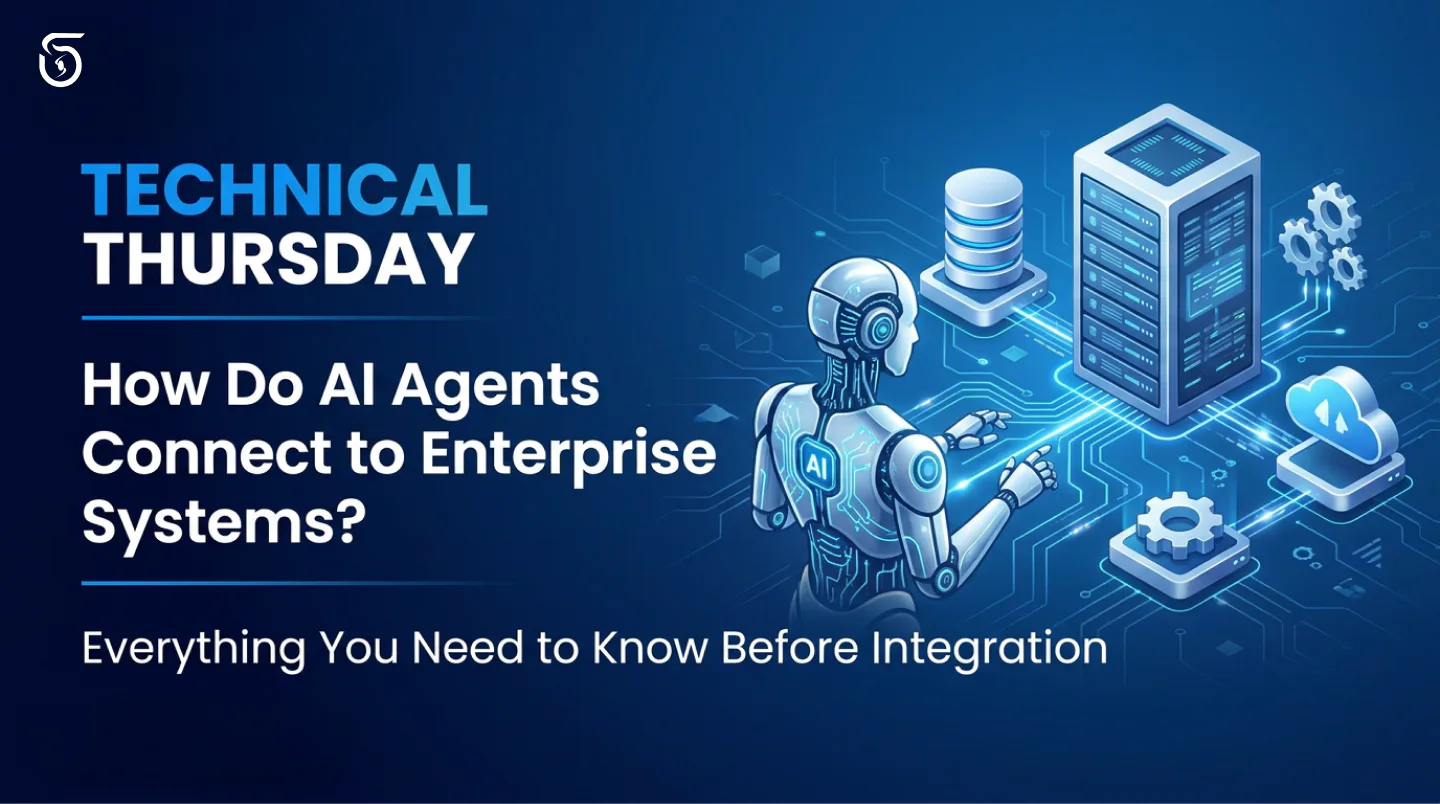
From Application-to-Application to Agent-to-API
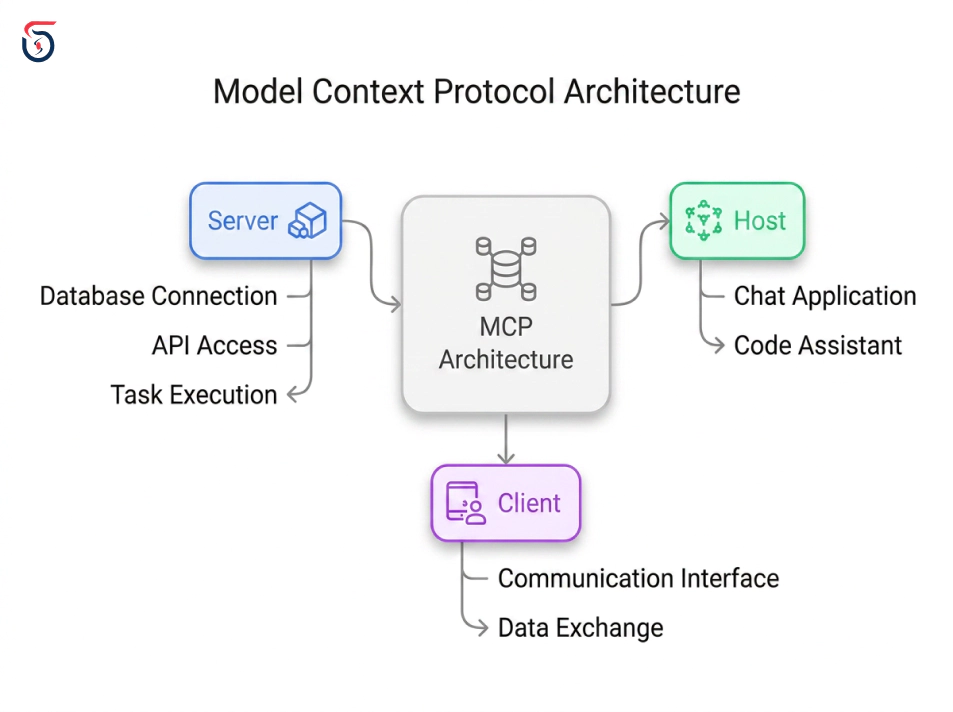
The Rise of the Model Context Protocol (MCP)
API-as-Product Is Becoming Non-Negotiable
- ◆Strong, predictable schemas. Agents work far better against consistent, well-defined contracts (OpenAPI, JSON Schema) than against APIs with inconsistent shapes or undocumented quirks.
- ◆Clear, example-driven documentation. What used to be a convenience for human developers is now functionally a training signal for how an AI agent will attempt to use your API.
- ◆Lifecycle discipline. Versioning, deprecation policies, and backward compatibility matter more, not less, when an autonomous system might be calling your endpoint on a schedule you don't control.
Security: Why Agent-to-API Access Changes the Threat Model
What's changing in response:
- ◆Zero Trust for agents, not just humans. Every request gets verified based on identity and context, never trusted by default, regardless of whether the caller is a person, an application, or an autonomous agent.
- ◆Just-in-time, scoped authorization. Rather than issuing broad, long-lived API credentials, more platforms are moving toward short-lived, narrowly scoped tokens that grant an agent access only to what it needs, only for as long as it needs it.
- ◆Mandatory modern OAuth flows. Industry security guidance has moved to formally deprecate older, less secure authorization flows, pushing toward more robust standards as the baseline expectation rather than a "nice to have."
- ◆Auditable delegation. When an agent acts on a user's behalf, the system needs a clear, traceable record of what was delegated, by whom, and when, critical for any business operating under compliance obligations.
Governance Is Moving Closer to the Model Layer
- ◆Consumer-aware observability. Instead of generic infrastructure metrics, teams are tracking latency and error patterns by specific consumer or use case, distinguishing a human dashboard request from an autonomous agent's automated workflow.
- ◆Contract drift detection. Automated monitoring increasingly flags when an API's actual behavior starts drifting from its documented contract, since that drift becomes far more consequential when an unsupervised agent is the one relying on it.
- ◆Event-driven APIs held to REST-level discipline. Asynchronous, event-based integration patterns, increasingly common for AI-enabled workflows, are now expected to meet the same documentation and governance standards long required of traditional REST APIs.
Regulatory Pressure Is Adding a Compliance Layer
What Businesses Should Actually Do to Prepare
- ◆Audit your current APIs for AI-readiness. Are your schemas consistent? Is documentation genuinely clear enough for an automated system to parse without a human translating it first?
- ◆Don't bolt security on later. Build authentication, scoped authorization, and continuous security testing into the design and CI/CD pipeline from day one, not as a final review step before launch.
- ◆Treat APIs as a governed portfolio, not a pile of endpoints. Separate which APIs are customer-facing products, which are internal capability contracts, and which exist to integrate partners, each deserves different governance and reliability expectations.
- ◆Revisit rate limits and pricing models with agent traffic in mind. A single automated workflow can generate far more calls in a short burst than a human ever would; capacity planning needs to account for that.
- ◆Don't chase every new protocol blindly. MCP and similar standards are moving quickly, and not every emerging format will stick. Build on solid API fundamentals, clear contracts, strong security, real observability, and adopt new standards deliberately, not reflexively.
- ◆Connect your integration roadmap to compliance requirements early, particularly in healthcare, finance, or other regulated industries where API standards are becoming a legal obligation, not a competitive choice.

Never Miss an Update
Add SoftSages Technology as a Preferred Source on Google for more of our latest tech content in AI Mode and AI Overviews.
Moving Forward with API Innovation
Is your current API strategy ready for a world where AI agents, not just people, are calling your systems? SoftSages helps businesses design and modernize API integrations that are secure, well-governed, and built to handle both human and AI-driven traffic, from legacy system connectivity to agent-ready architecture. 👉 Talk to an Integration Services Expert and get a clear, no-pressure assessment of where your integration strategy stands today.
Table of contents
From Application-to-Application to Agent-to-API
The Rise of the Model Context Protocol (MCP)
API-as-Product Is Becoming Non-Negotiable
Security: Why Agent-to-API Access Changes the Threat Model
Governance Is Moving Closer to the Model Layer
Regulatory Pressure Is Adding a Compliance Layer
What Businesses Should Actually Do to Prepare
Moving Forward with API Innovation
Join Our Newsletter
Get the latest tech trends, tutorials and expert analysis delivered straight to your inbox.
FAQs about the Future of API Integration
The future of API integration is increasingly defined by AI agents acting as primary API consumers alongside humans and applications, standardized agent-connection protocols like MCP, and stronger security models built around machine-driven traffic.
MCP is an open standard that lets AI models and agents connect to external tools, data, and APIs in a consistent way, removing the need for custom, one-off integrations for every tool an AI system needs to use.
AI agents generate less predictable, more intent-driven traffic than traditional human or application-based API calls, often producing sudden bursts of requests as they execute multi-step workflows autonomously.
AI agents can misinterpret goals or be manipulated into unintended actions, so security models are shifting toward Zero Trust principles, short-lived scoped authorization tokens, and auditable delegation rather than long-lived, broad-access credentials.
It means treating APIs with the same rigor as a customer-facing product, strong documentation, predictable schemas, lifecycle management, and reliability commitments, rather than treating them as purely internal technical plumbing.
No. REST APIs remain foundational. What's changing is the expectation that APIs be more structured, well-documented, and discoverable so both human developers and AI agents can use them reliably.
Healthcare and financial services face some of the strongest regulatory pressure, with mandates like FHIR for healthcare interoperability requiring standardized, secure APIs rather than ad hoc system connections.
Businesses should audit existing APIs for clear, consistent schemas and documentation, build security and authorization into the design phase, and treat their API portfolio with the same governance discipline as a software product.
Agent Experience refers to designing APIs with AI agents specifically in mind as consumers, prioritizing machine-readable clarity, predictable behavior, and discoverability, similar to how developer experience (DX) has long been prioritized for human developers.
Yes, if anything, reliable API integration becomes more valuable as AI adoption grows, since poorly integrated systems are consistently cited as the top barrier preventing businesses from getting real value from AI initiatives.